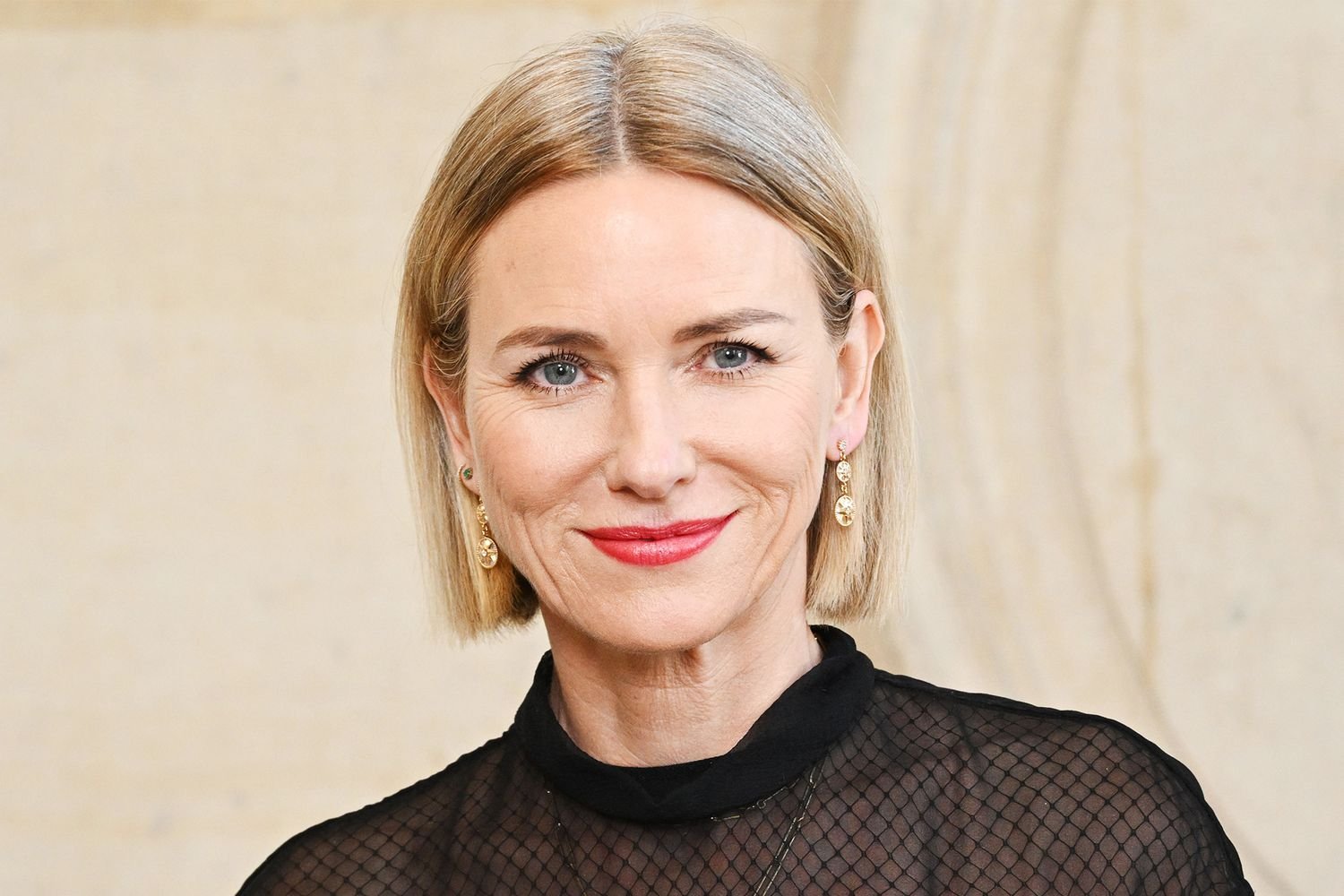
Naomi Watts dismissed a menopause symptom that turned out to have an easy fix, and her experience is now helping other women rethink what they know about midlife health.
Naomi Watts was well aware of the classic signs of perimenopause and menopause. Like many women, she braced herself for hot flashes, mood swings, joint pain, and even lesser-known issues like frozen shoulder. As her body transitioned through perimenopause and into menopause, she felt prepared — or at least she thought she was.
But one symptom quietly followed her for years without raising alarm bells: dry eyes. Watts didn’t connect it to menopause at all, assuming it was just another minor inconvenience. It wasn’t until much later that she realized this overlooked issue was part of the hormonal shift — and that it had a surprisingly simple solution.
A Symptom She Never Expected
Watts, now 57, has become a prominent voice in menopause advocacy. As the co-founder of Stripes, a menopause-focused wellness and beauty brand, she has made it her mission to bring honest, practical conversations about midlife health into the spotlight.
In her 2025 book, “Dare I Say It: Everything I Wish I Knew About Menopause,” Watts opens up about her personal journey while sharing insights from doctors and experts. Today, she’s also partnering with Johnson & Johnson to highlight an often-ignored aspect of menopause: eye health.
“All I knew about menopause was what you see on TV or in movies — women going crazy, hot flashes, mood swings,” Watts said in an interview with USA TODAY. “But it’s so much more complex than that. With the right education, it doesn’t have to feel scary or overwhelming.”
How Hormones Affect More Than You Think
Watts entered menopause not long after giving birth to her second child. She understood that declining estrogen could impact her skin, hair, and joints. What never crossed her mind was how deeply hormones influence eye health.
According to Charissa Lee, an optometrist and head of professional affairs for vision at Johnson & Johnson, menopause can lead to dry, tired eyes and even blurry vision. Many women also notice they suddenly need reading glasses during this stage of life.
Despite these changes, women often forget to mention perimenopause or menopause to their eye doctors or dentists. They don’t realize that hormonal shifts can affect nearly every system in the body.
“Getting an eye exam is probably one of the easiest steps you can take during this journey,” Lee explains.
The Silence Around Symptoms
Watts believes many women hesitate to talk openly about menopause with their doctors. “There’s a fear of being dismissed,” she says. “You feel like you’re complaining or whining.”
She’s heard countless stories from friends who sought help for menopause symptoms, only to be offered antidepressants or sleeping pills — without any deeper investigation into hormonal changes or the potential benefits of hormone replacement therapy.
In fact, more than one-third of women in perimenopause or menopause are prescribed antidepressants such as Zoloft, Prozac, or Wellbutrin. Usage of these medications nearly doubles during midlife. Many women’s health experts now argue that most of these women never needed antidepressants in the first place, as the medications treat symptoms rather than the underlying hormonal cause — and may sometimes worsen the situation.
More Than 100 Symptoms — and Counting
There are over 100 known symptoms associated with perimenopause and menopause, yet many women don’t realize they’re connected. As a result, symptoms go unmentioned, untreated, and misunderstood.
This lack of awareness can feel isolating and frustrating. Watts admits there were moments when she felt alone in her experience, unsure whether what she was feeling was “normal.”
Her advice is simple but powerful: come prepared. “Bring a list of symptoms to your appointments,” she says. “Even the ones that seem small or unrelated.”
You’re Not Alone — and Solutions Exist
Above all, Watts wants women to know they are not alone. Menopause and perimenopause are shared experiences, even if they don’t always feel that way.
“We think we’re the only ones going through this,” she says. “But often, there are very easy solutions to some of these symptoms — once you recognize what’s really going on.”
By speaking openly about her own journey, Naomi Watts dismissed a menopause symptom that turned out to have an easy fix — and in doing so, she’s helping countless women feel seen, informed, and empowered to advocate for their own health.