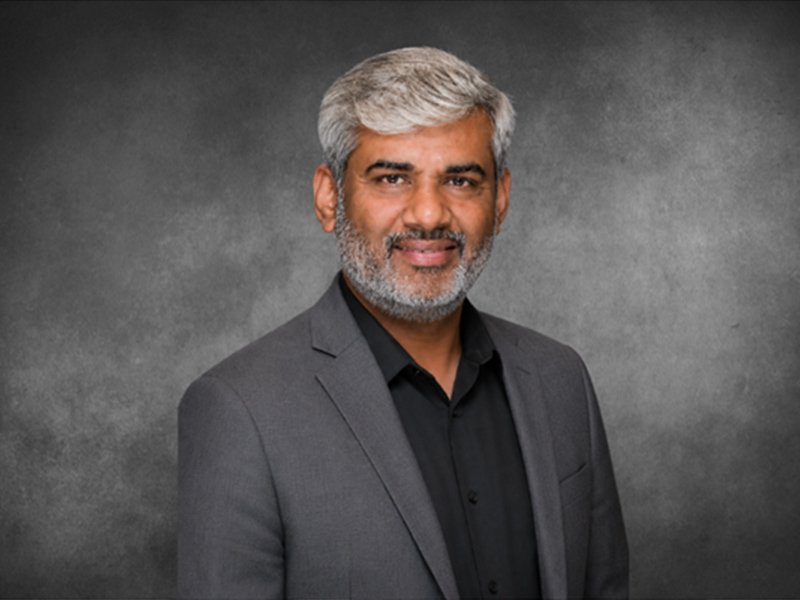
Some people are handed a map. Rakesh Singh was handed a rejection letter.
At nineteen, his entire identity was wrapped around a single goal: become an Indian Air Force fighter pilot. He had the hunger, the discipline, and the unshakeable conviction that this and only this was his destiny. Then came the selection process. Then came the word NO.
That moment could have ended his story. Instead, it began it.
Today, Rakesh Singh is a senior technology leader at a Fortune 500 company in the United States. He is an author, a startup mentor, an investor, and a motivational speaker whose work has touched professionals across industries and geographies. But here is what makes his story different from every polished success memoir you have ever read: he does not pretend the journey was graceful. He tells you exactly how hard it was to keep walking when the road disappeared.
The First Salary That Told the Whole Truth
After the IAF dream collapsed, Singh did not land on his feet in some glossy alternative career. He started at the bottom the real bottom earning ₹3,200 a month as a graphic designer. No connections. No roadmap. No guarantee that tomorrow would look any better than today.
Most people, standing where he stood, would have called it failure. Singh called it the beginning of his education.
He moved from graphic design to call centre training to entry-level engineering, collecting experiences that most ambitious professionals would sprint past. But each role taught him something no prestigious title could have how organizations actually work, how people actually think, and how careers are actually built not in conference rooms, but in the unglamorous, uncertain, ordinary moments that nobody posts about on LinkedIn.
“The dream I lost at nineteen gave me the one thing I could never have planned for: the freedom to become more than one thing.”
What Keeps a Person Going When the Plan Is Gone
This is the question at the centre of everything Rakesh Singh has built, written, and spoken about. It is the question he could not find a satisfying answer to when he was young and directionless and quietly terrified that his best opportunity had already passed.
The answer, he has come to understand, is not willpower alone. It is something quieter and more durable: the willingness to stay curious longer than it is comfortable to do so. To treat every role, every setback, every unexpected detour as a lesson rather than a verdict.
That mindset carried him from ₹3,200 a month to the executive floors of a global enterprise. It carried him through further education at MIT, Cornell, UC Berkeley, and Stanford. And it is the mindset he has spent the last chapter of his career trying to pass on to every young professional who reminds him of who he used to be.
The Book He Wished Had Existed
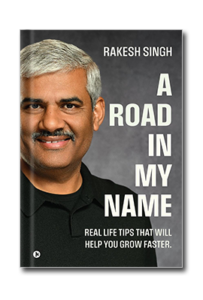
“A Road in My Name” is not a celebration of arrival. It is a map of the journey drawn from real terrain, not imagination. Singh writes about financial independence with the authority of someone who built it from scratch. He writes about risk with the nuance of someone who has felt its full weight. He writes about adaptability not as a corporate buzzword, but as the single quality that saved his career more than once when everything else stopped working.
Every chapter is a lesson. Every lesson was paid for.
If You Have Ever Been Told the Road Has Ended
This book is written for you. Not for the person who had the perfect plan and executed it flawlessly. For the person who had a plan, watched it fall apart, and is still figuring out what comes next.
Rakesh Singh was that person once. He found his road. And in this book, he shows you how to find yours.
► GET YOUR COPY: A Road in My Name — Order on Amazon