Mental health conditions like anxiety and depression often seem to appear suddenly during adolescence or adulthood. But what if the warning signs were present much earlier—hidden deep within the developing brain? Modern neuroscience suggests exactly that. The key to predicting future anxiety and depression lies in the child’s brain, and understanding this connection could completely transform how we approach mental health prevention.
Understanding the Developing Child’s Brain
A child’s brain is not simply a smaller version of an adult brain. It is a rapidly changing, highly flexible system that develops in stages. Different regions mature at different speeds, particularly those responsible for emotions, decision-making, and stress regulation.
During childhood, neural connections are constantly being formed, strengthened, or pruned away. This process is heavily influenced by genetics, environment, relationships, and early life experiences. Researchers now believe that subtle differences in how certain brain regions develop may help explain why some children are more vulnerable to mental health challenges later in life.
This growing body of evidence points to a powerful conclusion: The key to predicting future anxiety and depression lies in the child’s brain, long before symptoms are visible on the surface.
Brain Regions Linked to Emotional Health
Scientists have identified specific brain areas that play a critical role in emotional regulation. Two of the most important are the amygdala and the prefrontal cortex.
The amygdala is responsible for processing fear and emotional responses. In children who later develop anxiety disorders, this region often shows heightened sensitivity to perceived threats. The prefrontal cortex, on the other hand, helps regulate emotions and control impulses. If this area develops more slowly or communicates poorly with the amygdala, emotional responses may become overwhelming.
When these regions are out of sync, children may struggle to manage stress effectively. Over time, this imbalance can increase the risk of chronic anxiety or depression. This neurological insight further supports why the key to predicting future anxiety and depression lies in the child’s brain, not just in behavior or personality.
Early Brain Patterns as Predictive Markers
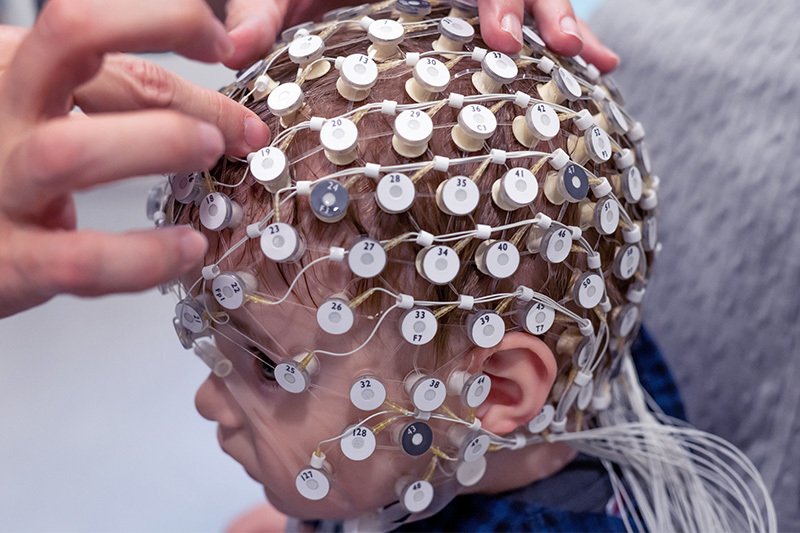
Advanced imaging technologies now allow researchers to observe how children’s brains function in real time. Studies using brain scans have revealed patterns of activity that may serve as early markers for mental health conditions.
For example, children who show exaggerated emotional responses in brain imaging—even when their outward behavior seems typical—may be at higher risk for emotional disorders later in life. These findings suggest that internal brain activity can tell a story that external observations might miss.
This means mental health risk could potentially be identified years before clinical symptoms appear. Once again, science reinforces that the key to predicting future anxiety and depression lies in the child’s brain, offering a window of opportunity for early intervention.
The Role of Stress and Early Experiences
While brain structure matters, experience plays an equally important role. Chronic stress, trauma, neglect, or inconsistent caregiving can shape how a child’s brain develops. Prolonged exposure to stress hormones can alter neural pathways, particularly in regions tied to emotion and memory.
Children raised in nurturing, emotionally supportive environments tend to develop stronger connections between brain regions that regulate stress. In contrast, those exposed to repeated adversity may develop heightened threat responses, making them more vulnerable to anxiety and depression later.
This interaction between biology and environment highlights why the key to predicting future anxiety and depression lies in the child’s brain, but also why supportive interventions can make a meaningful difference.

Why Early Detection Matters
Early detection does not mean labeling children or predicting their futures with certainty. Instead, it allows parents, educators, and healthcare providers to offer support before problems become severe.
When potential risks are identified early, children can benefit from tools that strengthen emotional resilience—such as mindfulness practices, emotional regulation skills, and supportive therapy. These strategies can help reshape neural pathways while the brain is still highly adaptable.
Recognizing that the key to predicting future anxiety and depression lies in the child’s brain shifts mental health care from reactive treatment to proactive prevention.
Ethical Considerations and Caution
While the science is promising, experts stress the importance of caution. Brain-based predictions should never be used to stigmatize children or limit their opportunities. A developing brain is remarkably flexible, and early risk does not guarantee future illness.
Ethical use of this research requires transparency, parental consent, and a strong focus on support rather than diagnosis. The goal is empowerment—not fear.
A New Future for Mental Health Prevention
As neuroscience continues to evolve, it offers hope for a future where mental health challenges can be addressed before they take hold. By understanding how emotional patterns form in the brain, society can move toward earlier, kinder, and more effective care.
Ultimately, research continues to affirm a powerful insight: The key to predicting future anxiety and depression lies in the child’s brain. By listening to what the brain reveals early on, we may be able to protect emotional well-being for generations to come.