This company is launching a space-based factory to manufacture materials for semiconductors, signaling a bold step toward the next generation of high-performance electronics. A UK-based startup is working to transform orbit into a production hub for advanced materials that could power quantum computing, artificial intelligence, and critical defense systems.
Manufacturing in Microgravity
Space Forge, headquartered in Cardiff, Wales, is developing technology to produce ultra-pure crystal “seeds” in orbit. These crystals will later be processed on Earth to create high-performance semiconductors used in communications networks, transportation systems, and advanced computing.
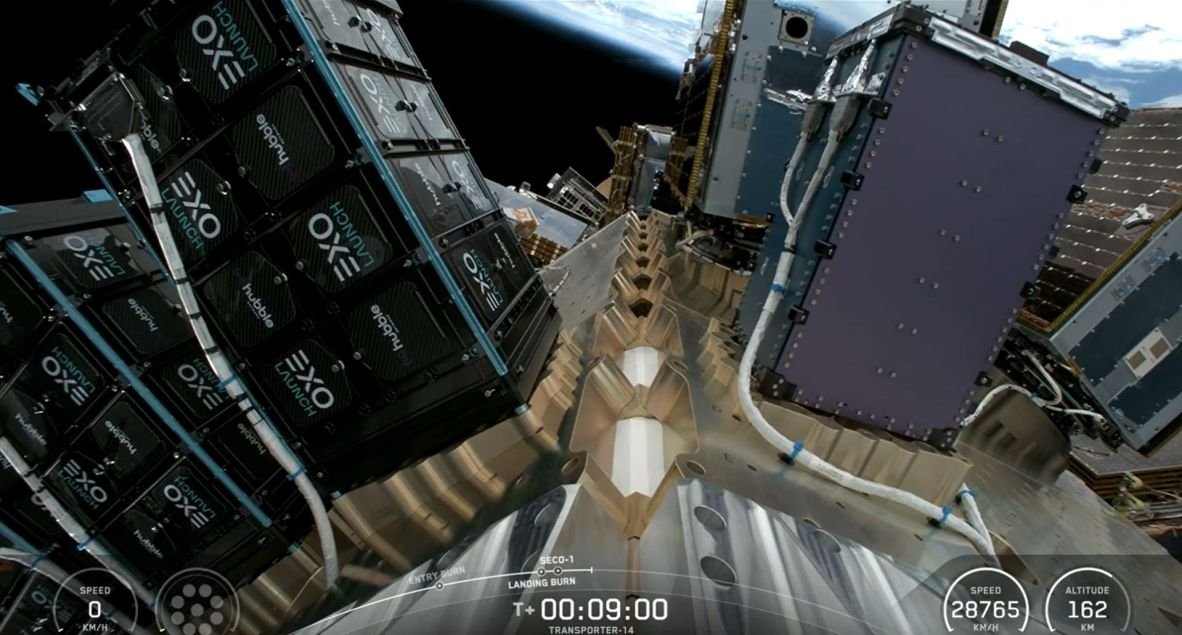
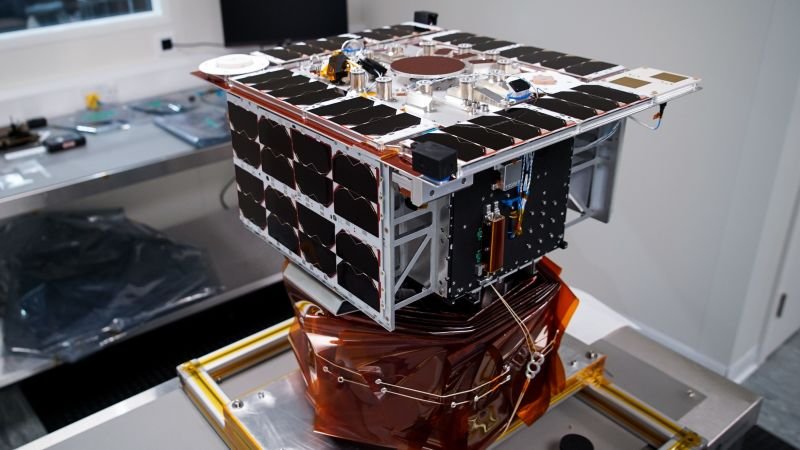
In June 2025, the company successfully launched its first experimental satellite, ForgeStar-1, aboard a SpaceX rocket. About the size of a microwave, the satellite demonstrated a key capability by generating plasma heated to around 1,000°C — a necessary step toward producing advanced semiconductor materials in space.
According to CEO and co-founder Joshua Western, space provides a manufacturing environment that cannot be replicated on Earth. In microgravity, atoms arrange themselves more uniformly, while the vacuum of space significantly reduces contamination. The result is semiconductor crystals with purity levels potentially hundreds or even thousands of times greater than those produced on the ground.
This improved atomic structure and reduced impurity level could dramatically increase the efficiency and performance of electronic components. ForgeStar-1’s primary goal is to validate the manufacturing process, with the company aiming to launch a commercial production system within the next two years.
Target Markets and Regulatory Challenges
Space Forge plans to supply its materials to industries that require semiconductors capable of operating at extremely high power levels. Its initial focus includes aerospace, defense, telecommunications, and large-scale data infrastructure.
However, building a business in orbit comes with unique obstacles. Western notes that regulation has been the company’s biggest hurdle. While ForgeStar-1 itself was built in just seven weeks, obtaining the necessary launch license took more than two years.
Another unresolved issue is taxation. Because space lies outside national borders, materials manufactured in orbit don’t clearly belong to any country. This creates uncertainty about how returning products should be taxed — a significant concern given their potential value.
The materials Space Forge aims to produce could be worth tens of millions of dollars per kilogram. Even more promising, manufacturing in space may enable entirely new material combinations that have only existed in theory, potentially increasing their value even further.
Growing Demand for Ultra-Pure Materials
The timing may be favorable. Market analysis from Deloitte shows the global semiconductor industry grew by 22% in 2025 and could reach $1 trillion by 2027, largely driven by the rapid expansion of AI infrastructure.
Experts say cutting-edge technologies increasingly require materials of exceptional quality. However, companies looking to manufacture in space must first prove they can reliably produce and return materials from orbit at scale. Until then, adoption barriers will remain high.
While access to space is improving thanks to frequent launches by private providers, returning products safely to Earth remains a major logistical challenge. Still, industry observers believe regular return missions could become possible within the next five years.
Bringing Space-Made Materials Home
To solve the reentry problem, Space Forge is developing a specialized heat shield system designed to safely return both its satellite and manufactured materials. The technology functions like a deployable space-grade parachute, slowing descent while protecting the payload from extreme reentry temperatures.
Western describes it as “a space umbrella,” enabling the satellite to glide safely back to Earth at the end of each mission. The system is intended to make the delivery of space-manufactured materials faster and more reliable.
The Economics of Orbiting Factories
Future production units will be roughly the size of a large washing machine and weigh about 100 kilograms. Each unit could produce enough material for up to 10 million semiconductor components within just a few weeks.
The initial ForgeStar-1 launch cost approximately £250,000 ($342,000). Even at this early stage, the company says the cost of producing crystal “seed” materials in space is comparable to Earth-based methods. Another advantage is energy: solar power in orbit is abundant and essentially free.
Still, experts caution that large-scale commercial success may take time. Some analysts believe widespread economic viability for space manufacturing could still be a decade away. Nevertheless, they argue that experimentation now is critical, as working in space could unlock techniques impossible to develop on Earth.
A Long-Term Vision
Space Forge has raised around $30 million from international investors, including the NATO Innovation Fund. The ForgeStar-1 mission is expected to conclude within months, followed by the first in-space test of the company’s return system.
Western’s long-term goal is simple: make space manufacturing routine.
He believes success will come when consumers use devices powered by space-made chips without giving it a second thought — a future where orbital factories quietly support everyday technology back on Earth.