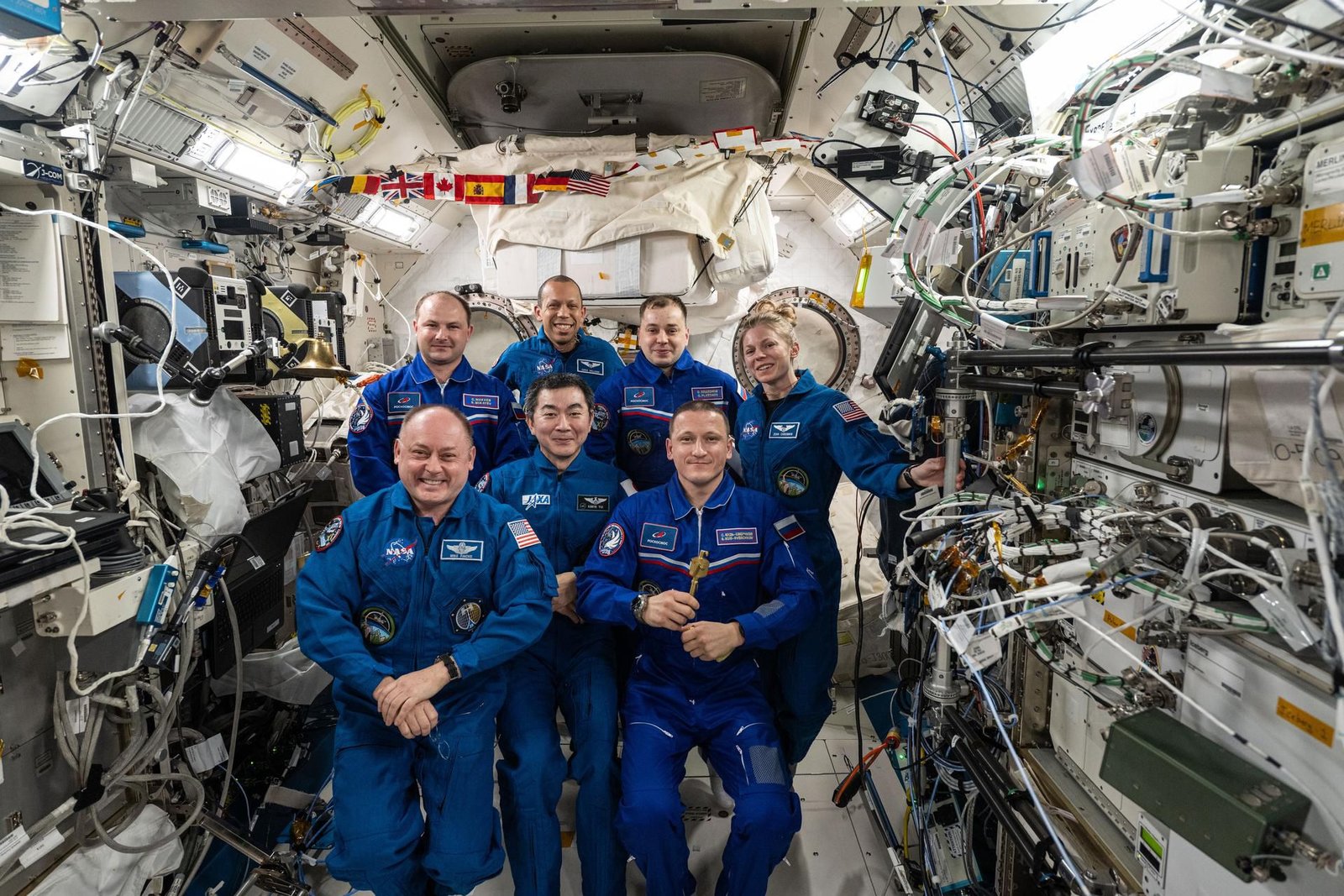
A new team of astronauts has successfully arrived at the International Space Station (ISS), restoring normal operations after weeks of reduced staffing. The Crew-12 mission lifted off from Cape Canaveral early Friday morning and spent more than 30 hours traveling through orbit before docking with the station, which circles Earth at an altitude of about 250 miles (400 kilometers).
The arrival marks a major milestone for NASA, as the station had been operating with only three crew members since mid-January. The reduced staffing followed the early return of the previous mission due to a medical issue, leaving the orbiting laboratory functioning with limited personnel.
NASA had aimed to launch Crew-12 as quickly as possible to address the shortage. However, unfavorable weather conditions forced the agency to skip two earlier launch opportunities. While the spacecraft and rocket were ready ahead of schedule, officials said astronaut training ultimately determined the final launch date.
“When you consider a mission as a whole, it’s not just about the hardware and software — the crew must also be fully prepared,” said Steve Stich, manager of NASA’s Commercial Crew Program.
Managing a Staffing Challenge in Orbit
Before Crew-12’s arrival, the ISS was operating well below its preferred seven-person capacity. The situation arose after Crew-11 returned to Earth earlier than planned following a medical concern. Upon splashdown off the California coast on January 15, the four astronauts were transported to a hospital for evaluation and later confirmed to be in stable condition.
NASA leadership praised the team’s response to the unexpected situation, noting that the agency successfully coordinated the early return while accelerating preparations for the replacement crew. At the same time, teams continued work on upcoming missions, including the Artemis II lunar program.
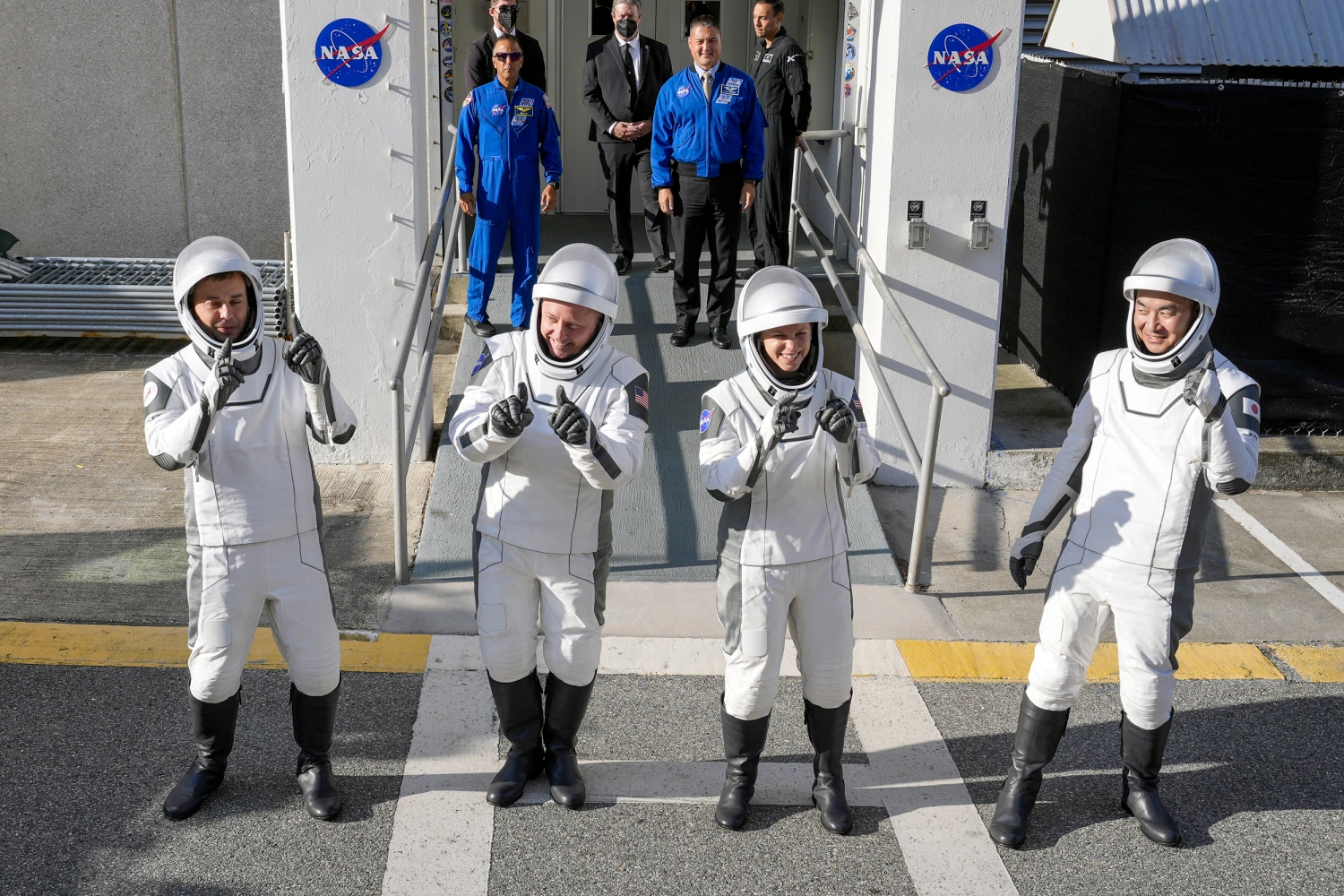
The Crew-12 team includes NASA astronauts Jessica Meir and Jack Hathaway, European Space Agency astronaut Sophie Adenot, and Russian cosmonaut Andrey Fedyaev. Unlike typical rotations, the new crew did not receive an in-orbit handover from their predecessors due to the emergency departure. Instead, they held multiple briefings on the ground to ensure a smooth transition.
Why Full Staffing Matters
Operating with only three astronauts significantly limits the amount of scientific research that can be conducted aboard the ISS. The station, which costs roughly $3 billion annually to operate, relies on a full crew to maintain systems, perform experiments, and carry out spacewalk preparations.
Although smaller crews were common before commercial missions became routine, NASA emphasizes that a larger team allows for greater productivity and scientific return. Agency officials also see the ISS as a critical testing ground for future commercial space stations and deep-space exploration.
NASA leadership has stressed that maximizing research during the station’s remaining years is essential to support the transition toward privately operated platforms in low-Earth orbit.
Research Plans for the Next Eight Months
During their approximately eight-month stay, the Crew-12 astronauts will conduct a wide range of scientific investigations. Planned studies include ultrasound monitoring to examine how spaceflight affects blood circulation, as well as pharmaceutical research focused on bacteria linked to pneumonia.
The crew will also participate in a simulated lunar landing experiment designed to evaluate how sudden changes in gravity influence human cognition and physical performance. These findings are expected to support future Moon missions and long-duration space travel.
With the station once again fully staffed, NASA expects a significant boost in research output and operational efficiency — a welcome development after a challenging period for the orbiting laboratory.