
MSN Weekly
  • Business
  • Entertainment
  • Health
  • Science
  • Sports
  • Technology
  • World
  • Entrepreneur
  • Finance
  • News
MSN Weekly
  • Business
  • Entertainment
  • Health
  • Science
  • Sports
  • Technology
  • World
  • Entrepreneur
  • Finance
  • News
MSN Weekly
MSN Weekly
  • Business
  • Entertainment
  • Health
  • Science
  • Sports
  • Technology
  • World
  • Entrepreneur
  • Finance
  • News
Copyright ©2026 VirtuoPress, LLC. All Rights Reserved.
Science

Why have humans not returned to the Moon for more than 50 years?

by Macdonald February 16, 2026
by Macdonald February 16, 2026 0 comments
9

More than half a century has passed since a human last walked on the Moon. The long gap between Apollo and today’s Artemis era raises a compelling question: Why have humans not returned to the Moon for more than 50 years? The answer lies in a complex mix of politics, funding, technology, changing priorities, and evolving goals for space exploration.


The Last Footprints on Lunar Soil

On December 14, 1972, Apollo 17 commander Gene Cernan delivered an emotional farewell before leaving the Moon. He expressed hope that humanity would one day return in peace and unity. At the time, several future Apollo missions had already been canceled due to budget cuts, but few imagined that his words would remain the last spoken by a human on the lunar surface for decades.

Today, NASA’s Artemis program aims to restart human exploration of the Moon. Missions such as Artemis II will circle the Moon before future flights attempt landings. Still, the long delay highlights just how difficult returning has been.


Politics and Funding: The Biggest Barrier

The primary reason behind the long absence is not a lack of interest or capability—it’s the absence of sustained political commitment.

Human spaceflight programs require enormous funding, long-term planning, and consistent national support. However, space priorities have repeatedly shifted with changes in political leadership. Over the decades, administrations have alternated between focusing on the Moon, Mars, space stations, or asteroid missions.

Because lunar programs take many years and billions of dollars to complete, even a single policy change can cancel years of progress. This stop-and-start cycle prevented any long-term lunar initiative from reaching completion until recently.


The Challenge of Distance and Risk

Even with political support, lunar missions remain extremely difficult.

The Moon is about 400,000 kilometers away, and landing safely is far from routine—many robotic attempts by various countries have failed. Building the rockets, spacecraft, and life-support systems required for human missions takes decades of engineering and tens of billions of dollars.

NASA’s current Artemis architecture—including the Space Launch System rocket and Orion spacecraft—represents more than 20 years of development. Returning humans safely is not simply a repeat of Apollo; it requires modern safety standards, reliability, and advanced systems.


Why Apollo Can’t Just Be Recreated

It might seem logical to rebuild Apollo-era technology, but that isn’t practical. The industrial supply chains, specialized manufacturing techniques, and skilled workforce from the 1960s no longer exist.

Although modern computers are vastly more powerful, human spaceflight remains complex, dangerous, and expensive. Unlike consumer technology, spacecraft systems must undergo years of testing and certification because failure is not an option.

Today’s Orion spacecraft is far more advanced than Apollo’s command module, offering greater computing power, more living space, improved life-support systems, and privacy features suitable for diverse crews.


A New Goal: Staying, Not Just Visiting

Apollo’s missions were designed as short-term demonstrations—often described as “flags and footprints.” Artemis has a very different purpose.

NASA now aims to build long-term infrastructure around and on the Moon, including:

  • Sustainable landing systems

  • Lunar habitats

  • The Gateway space station in lunar orbit

  • Resource utilization, such as potential water ice at the poles

The goal is to create a lasting human presence that can support future deep-space missions, including journeys to Mars.
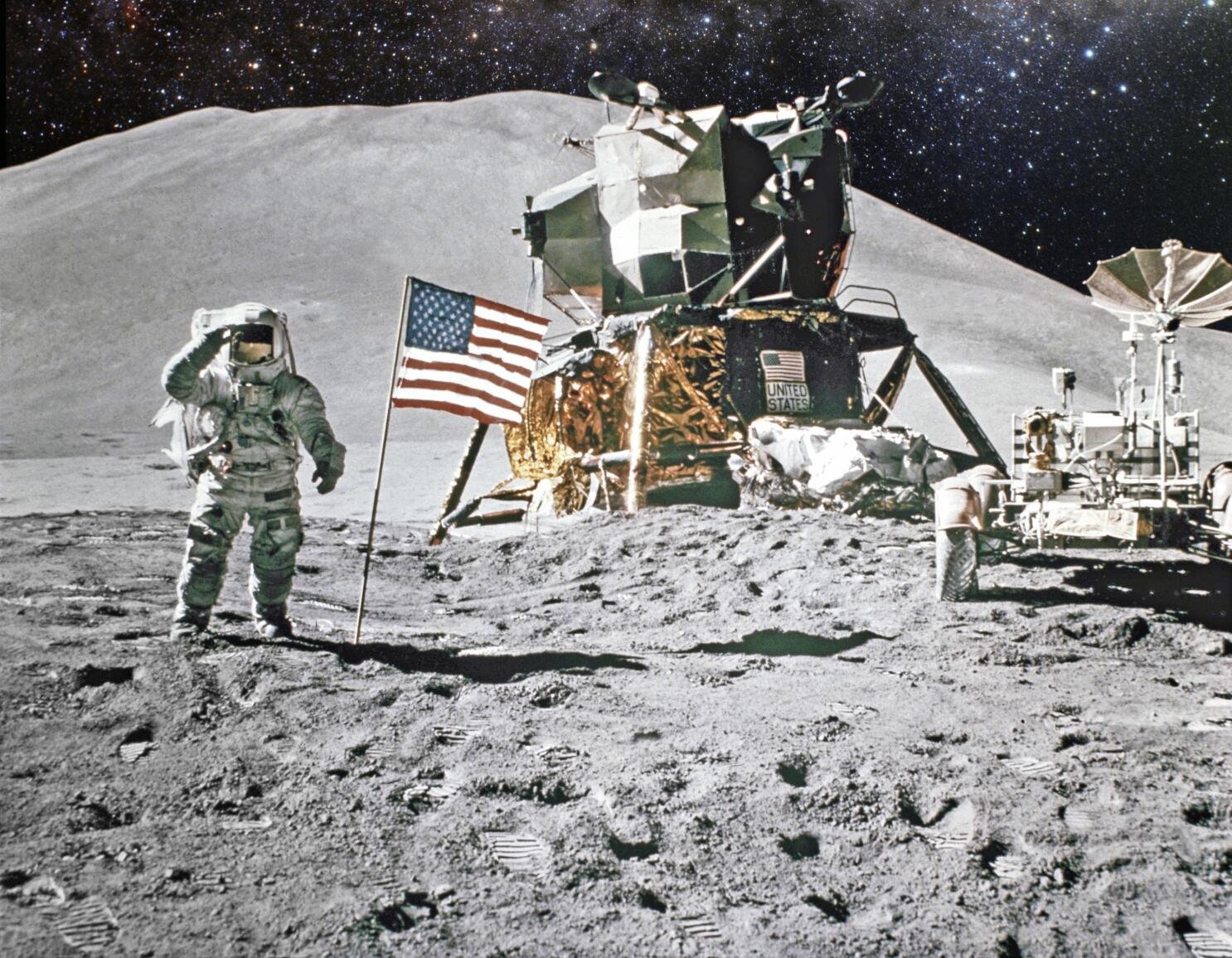
Why have humans not returned to the Moon for more than 50 years?


The Rise of Commercial and International Partnerships

Another major difference from the Apollo era is collaboration.

NASA now works closely with private companies such as SpaceX, Blue Origin, and Boeing, treating them as partners and service providers. This commercial ecosystem helps reduce costs and accelerate development.

International cooperation is also expanding. Through the Artemis Accords, more than 60 nations have agreed to principles for peaceful and sustainable lunar exploration. Returning to the Moon is no longer a single-country effort—it’s becoming a global endeavor.


Geopolitics and the New Space Race

Competition still plays a role. During Apollo, the United States raced against the Soviet Union. Today, China’s growing space ambitions—including plans for a crewed lunar mission around 2030—have renewed strategic urgency.

However, modern space agencies are balancing competition with safety. Past tragedies, including Apollo 1, Challenger, and Columbia, have led to a more cautious and methodical approach.


Why the Return Is Finally Happening

After decades of shifting priorities, the key difference today is continuity. The Artemis program has survived multiple administrations and now benefits from:

  • Stable political backing

  • Commercial partnerships

  • International cooperation

  • Mature technology and infrastructure

These factors are finally aligning to make a sustainable return possible.


Looking Ahead

The long gap since Apollo wasn’t due to a lack of ambition—it reflected the enormous cost, risk, and complexity of human space exploration, combined with changing political and strategic priorities.

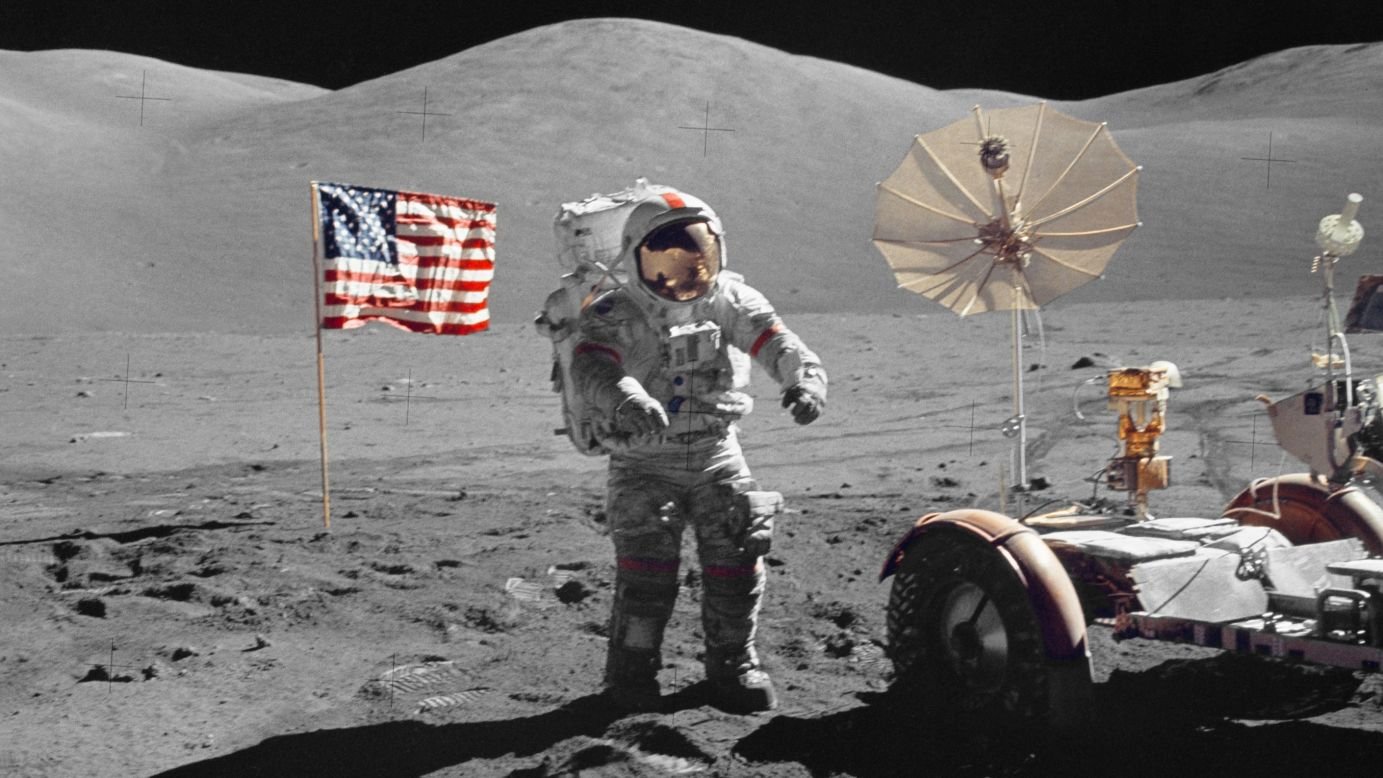
Post Views: 9
0 FacebookTwitterPinterestEmail
previous post
A SpaceX-NASA mission has reached the International Space Station, bringing relief to the short-staffed astronaut crew
next post
Julio Gonzalez’s Grant Equality Blueprint Unlocks Capital

You may also like

A student recreates cosmic dust in the laboratory,...

February 16, 2026

Why are all Olympic curling stones sourced from...

February 16, 2026

He experienced the sun’s power in a way...

February 16, 2026

Astronomers have discovered a planetary system that they...

February 16, 2026
  • Recent
  • Popular
  • Improving Fertility Through Nutrition: Guidance from Deepta Nagpal

    February 16, 2026
  • A student recreates cosmic dust in the laboratory, offering new clues about the origins of life

    February 16, 2026
  • Why are all Olympic curling stones sourced from a single small island off the coast of Scotland?

    February 16, 2026
  • He experienced the sun’s power in a way no one had ever seen before or after — and now, his first portrait has finally been discovered

    February 16, 2026
  • 1

    Ana Lorde: The Internet Sensation Redefining Digital Fame

    April 26, 2025
  • 2

    Josh Turner: A Deep Voice That Echoes Through Country Music

    July 6, 2025
  • 3

    Dawn French: The Life, Career, and Legacy of a Comedy Icon

    June 7, 2025
  • 4

    The Untold Story of Kevin Gates Mom: A Deep Dive into Her Influence and Legacy

    April 26, 2025

Featured posts

This company is launching a space-based factory to...

February 16, 2026

Julio Gonzalez’s Grant Equality Blueprint Unlocks Capital

February 16, 2026

Why have humans not returned to the Moon...

February 16, 2026

A SpaceX-NASA mission has reached the International Space...

February 16, 2026

How Medicaid and SNAP work requirements in Trump’s...

February 6, 2026

Tags

#BaciBodyWash A Bit Beast Wild Dream Academic AI Watermarking Audio-Only Gaming Best Digital Marketing Agency chemical-free products Chocowell Chocowell range Choose Digital Marketing Agency Daring Prince deepfakes Deepta Nagpal Digital Marketing Digital Marketing Agency Mumbai digital media security Divine Adore Dr. Nilesh Madhukar Rane Dr. Parvathy Rajeev Dt. Deepta Nagpal Expert Online Diet fighting synthetic media functional chocolate health chocolate variants immersive sound Ishfaq Ahmad Mir natural beauty Nilesh Madhukar Rane Nilesh Rane Nutrition expert Octo Kai Clinic Octo Kai Clinic Malviya Nagar Pulsemirror SEO Company SEOSpidy serious literature skill development Skillzard spatial audio gaming Sports The Gray Does Matter traditional skincare Uniquepact wellness chocolates India youth empowerment Indi

Must read

  • Improving Fertility Through Nutrition: Guidance from Deepta Nagpal

    February 16, 2026
  • A student recreates cosmic dust in the laboratory, offering new clues about the origins of life

    February 16, 2026
  • Why are all Olympic curling stones sourced from a single small island off the coast of Scotland?

    February 16, 2026
  • He experienced the sun’s power in a way no one had ever seen before or after — and now, his first portrait has finally been discovered

    February 16, 2026
  • Astronomers have discovered a planetary system that they believe should not exist

    February 16, 2026

Related Posts

  • A student recreates cosmic dust in the laboratory, offering new clues about the origins of life

    February 16, 2026
  • Why are all Olympic curling stones sourced from a single small island off the coast of Scotland?

    February 16, 2026
  • He experienced the sun’s power in a way no one had ever seen before or after — and now, his first portrait has finally been discovered

    February 16, 2026
  • Astronomers have discovered a planetary system that they believe should not exist

    February 16, 2026
  • This company is launching a space-based factory to manufacture materials for semiconductors

    February 16, 2026

ABOUT US

MSN Weekly

MSNWeekly is a news platform committed to delivering accurate, clear, and meaningful coverage of important events across the U.S. and the world. With a focus on trusted reporting, diverse perspectives, and responsible journalism, we aim to keep readers informed with confidence.

Subscribe Now

Top Categories

  • Business
  • Entertainment
  • Health
  • Science
  • Sports
  • Technology
  • World
  • Entrepreneur
  • Finance
  • News

Important Pages

  • About Us
  • Contact Us
  • Privacy Policy
  • Advertise With Us
  • Terms of Use
  • Disclaimer
  • Editorial Policy
  • Remove News
  • Sponsored & Guest Post
  • Team / Authors Page

Copyright ©2026 VirtuoPress, LLC. All Rights Reserved.

MSN Weekly
  • Home